
Preconception care focuses on preparing your body and lifestyle before pregnancy to improve fertility, reduce complications, and support a healthy pregnancy. Diet and lifestyle are two of the most influential areas. Here’s a clear, evidence-based overview.
🌱 Preconception Care: Diet & Lifestyle Guide
🥗 1. Nutrition & Diet
Balanced, Whole-Food Diet
Aim for nutrient-dense foods that support hormone balance, egg and sperm quality, and overall health.
Key components:
Fruits & vegetables: At least 5 servings/day for antioxidants that protect reproductive cells.
Whole grains: Oats, brown rice, quinoa for steady blood sugar.
Lean proteins: Beans, lentils, fish, poultry, eggs.
Healthy fats: Avocado, nuts, seeds, olive oil—important for hormone production.
Dairy or fortified alternatives: Calcium and vitamin D.
Critical Nutrients Before Conception
Folic Acid / Folate
Needed to prevent neural tube defects.
400–800 mcg/day is commonly recommended from a supplement or fortified foods (confirm with a healthcare provider).
Iron
Supports ovulation and prevents anemia.
Sources: lean meats, spinach, lentils, fortified cereals.
Omega-3 Fatty Acids (EPA/DHA)
Important for fertility and early fetal development.
Sources: fatty fish (salmon, sardines), walnuts, flaxseeds.
Vitamin D
Important for reproductive health and immunity.
Sources: sunlight, fortified milk, eggs, supplements if prescribed.
Iodine
Needed for thyroid function and brain development.
Sources: iodized salt, dairy, some seafood.
Foods & Ingredients to Limit
Trans fats (fried/packaged foods)
Excess added sugars
Heavy caffeine (aim for ≤200 mg/day, ~1–2 cups of coffee)
High-mercury fish (e.g., swordfish, king mackerel)
Ultra-processed foods
🧬 2. Supplements
Most healthcare providers recommend:
Prenatal vitamin containing folic acid, iron, iodine, and vitamin D.
Additional supplements only if advised based on needs (e.g., B12 for vegans).
🧘♀️ 3. Lifestyle Factors
Healthy Weight
Aim for a BMI in the healthy range; both underweight and overweight can affect fertility.
Focus on gradual, sustainable habits.
Physical Activity
Moderate exercise 150 minutes/week (walking, swimming, cycling, yoga).
Avoid over-exercise that disrupts menstruation.
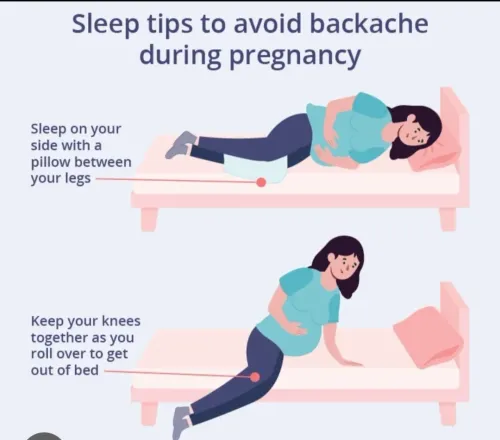
Sleep
7–9 hours nightly.
Regular sleep schedule supports hormone regulation.
Stress Management
Chronic stress can affect cycles and sperm quality.
Mindfulness, yoga, deep breathing
Counseling or therapy if needed
Social support
Keywords