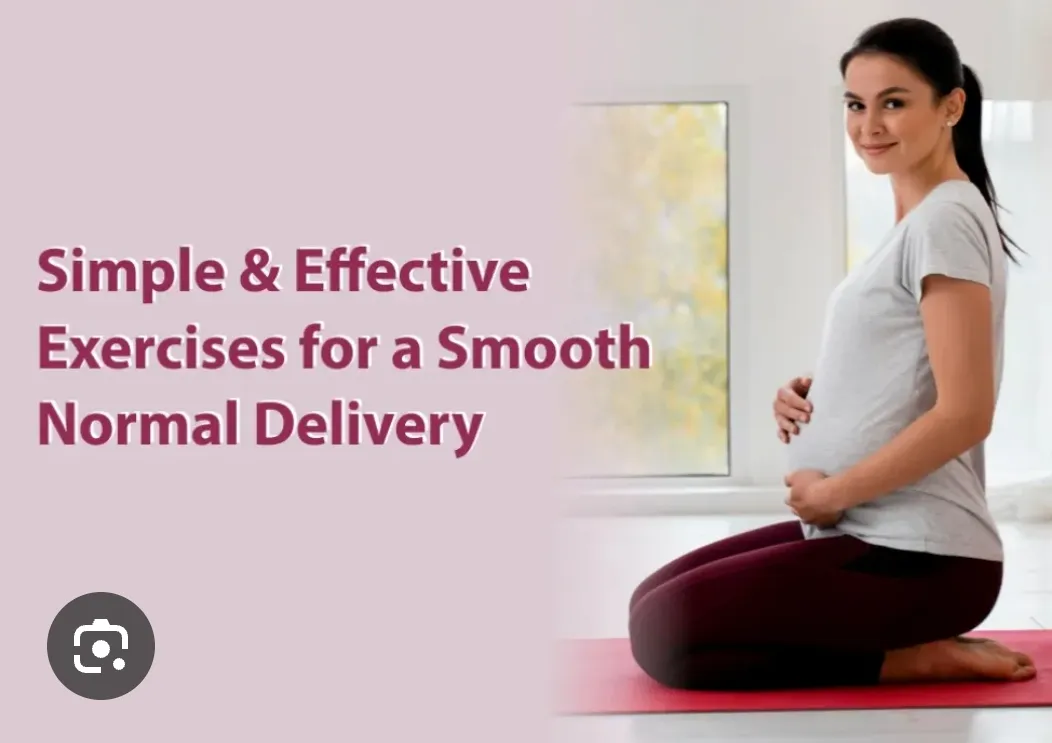
Exercise plays a significant and well-supported role in promoting easier, safer vaginal delivery. Here’s how:
✅ 1. Improves Pelvic Muscle Strength
Strengthening the pelvic floor (e.g., Kegel exercises) improves control and endurance during labor.
Helps with the pushing phase and may reduce the likelihood of instrumental delivery.
✅ 2. Enhances Endurance for Labor
Labor is physically demanding. Regular aerobic exercise (walking, swimming, stationary cycling) improves stamina and reduces maternal fatigue during childbirth.
✅ 3. Optimizes Fetal Positioning
Activities like pelvic tilts, squats, and prenatal yoga help maintain good pelvic alignment.
Increases the chance of the baby settling into the optimal occiput-anterior position, improving chances of spontaneous vaginal delivery.
✅ 4. Reduces Pregnancy Complications
Regular moderate exercise lowers the risk of:
Excessive weight gain
Gestational diabetes
Hypertension
These complications can otherwise increase the need for induction or cesarean delivery.
✅ 5. Improves Flexibility and Mobility of the Pelvis
Exercises that open the pelvis (e.g., squats, birthing ball exercises) may facilitate easier descent of the baby.
✅ 6. Reduces Labor Duration
Evidence shows active pregnant women often experience shorter first and second stages of labor compared to sedentary women.
✅ 7. Improves Mental Well-Being
Regular exercise reduces anxiety and fear of childbirth.
Lower stress helps maintain better coping mechanisms during labor.
❗ Exercises Particularly Helpful for Vaginal Delivery
Walking
Prenatal yoga
Prenatal Pilates
Swimming
Squats
Pelvic tilts / cat-cow
Kegel exercises
❗ When NOT to Exercise
Avoid or limit exercise if there are complications such as:
Placenta previa
Severe anemia
Preterm labor risk
Uncontrolled hypertension
Incompetent cervix
Always follow a healthcare provider’s advice.
Keywords