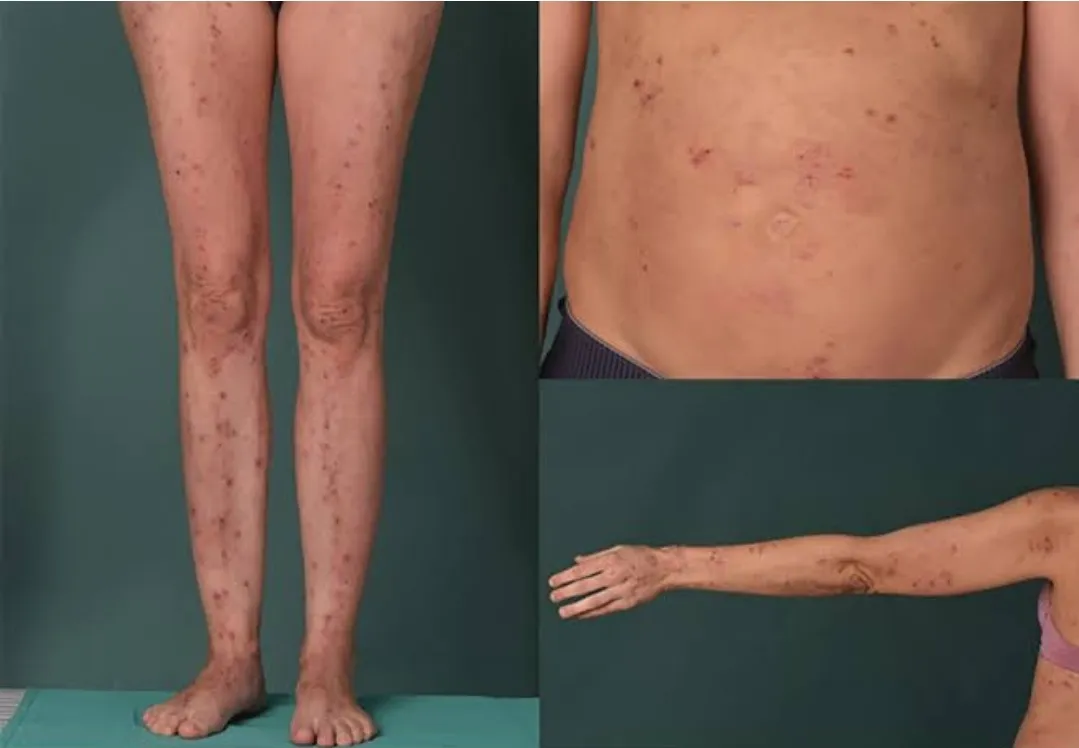
Pruritus gravidarum is a medical condition characterized by itching during pregnancy, particularly in the second or third trimester, without an associated rash. It is often a symptom of intrahepatic cholestasis of pregnancy (ICP), a liver disorder unique to pregnancy.
🔍 Definition
Pruritus gravidarum is itching in pregnancy, often due to impaired bile flow (cholestasis), leading to a buildup of bile acids in the blood, which irritates nerve endings in the skin.
⚠️ Causes
Most commonly caused by Intrahepatic Cholestasis of Pregnancy (ICP).
Other rare liver-related causes: hepatitis, gallstones, or fatty liver of pregnancy.
Hormonal changes (especially increased estrogen) can impair bile excretion.
📍 Symptoms
Generalized itching, especially on the palms, soles, and abdomen.
No visible rash (though scratching may lead to skin excoriations).
Can be more severe at night.
May be accompanied by dark urine, pale stools, or jaundice in more serious cases.
⚠️ Complications
Maternal
Sleep disturbances
Psychological distress
Risk of vitamin K deficiency → bleeding issues (due to reduced bile for fat-soluble vitamin absorption)
Fetal
Preterm labor
Fetal distress
Stillbirth (rare but serious concern)
Meconium-stained amniotic fluid
Note: The risk to the fetus is the main concern, especially if bile acid levels are 40 μmol/L or higher.
💊 Diagnosis
Serum bile acids (most important)
Liver function tests (LFTs) – elevated ALT, AST
Rule out other causes of itching (e.g., PUPPP, eczema, allergic reactions)
🩺 Treatment
1. Ursodeoxycholic Acid (UDCA)
First-line treatment
Improves bile flow, reduces bile acid levels, and relieves itching
Dose: typically 10–15 mg/kg/day, divided
2. Antihistamines
For symptomatic relief of itching (e.g., diphenhydramine)
Less effective for bile acid-induced itch
3. Cholestyramine
Bile acid sequestrant (rarely used now due to interference with vitamin K)
4. Early Delivery
Often considered at 37 weeks or earlier if bile acids are very high
Close fetal monitoring with NSTs (non-stress tests) and ultrasounds
5. Vitamin K Supplementation
If there's prolonged cholestasis or coagulopathy risk
To prevent maternal and neonatal bleeding
🩺 Prognosis
Symptoms typically resolve after delivery
High recurrence rate in future pregnancies (up to 60–70%)
May indicate underlying genetic susceptibility or liver condition
Keywords