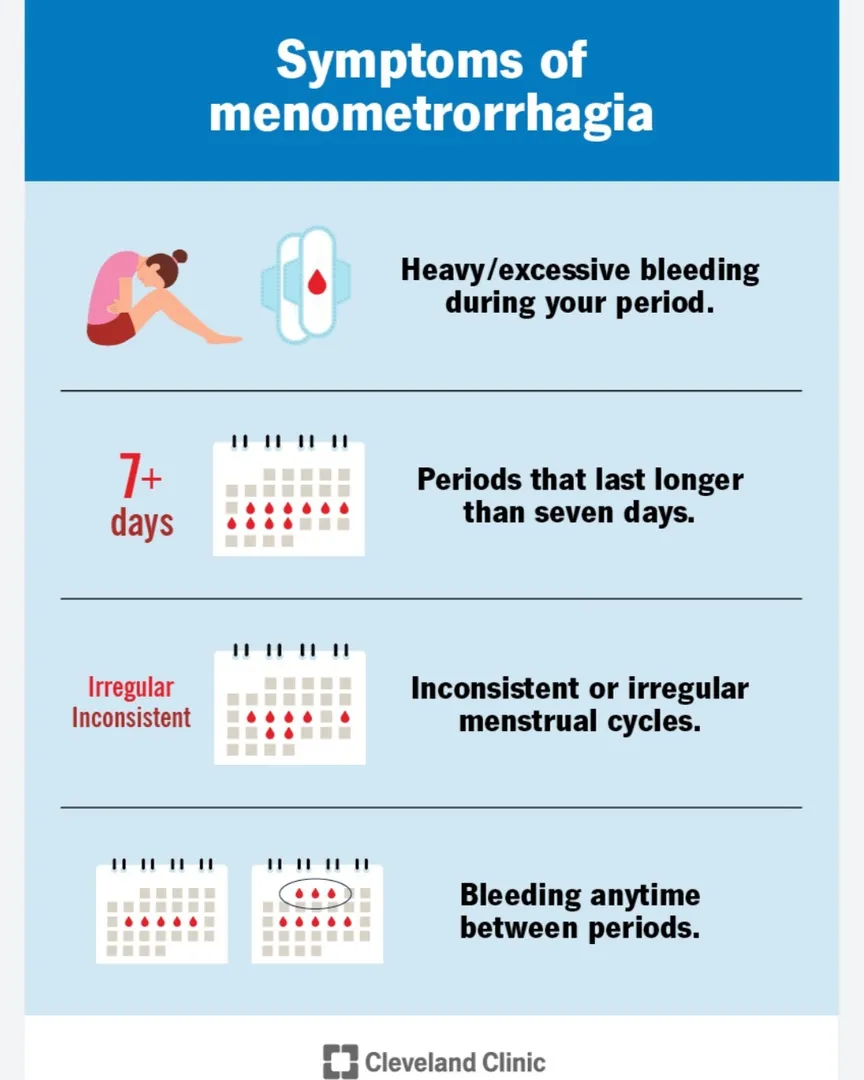
Intermenstrual bleeding (bleeding between regular periods) can have many causes—some harmless, others needing medical attention. Here’s a clear breakdown.
🔍 Common Causes
1. Hormonal imbalances
Irregular ovulation
Conditions like Polycystic Ovary Syndrome (PCOS)
Thyroid issues (Hypothyroidism / Hyperthyroidism)
2. Ovulation bleeding
Light spotting mid-cycle (around day 14)
Usually mild and short-lived
3. Contraceptive use
Birth control pills, IUDs, implants
Missed pills → breakthrough bleeding
4. Infections
Pelvic infections like Pelvic Inflammatory Disease
Sexually transmitted infections (STIs)
5. Uterine or cervical problems
Polyps (non-cancerous growths)
Fibroids (common benign tumors)
Cervical erosion
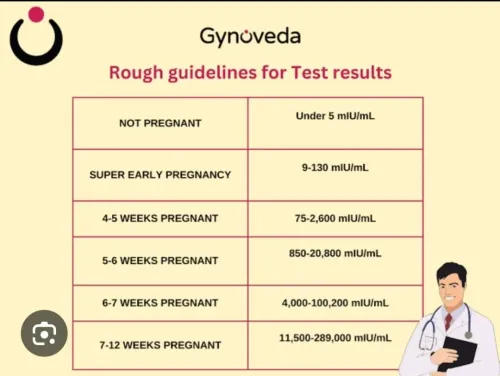
6. Pregnancy-related causes
Implantation bleeding
Early miscarriage
Ectopic pregnancy (urgent condition)
7. Stress & lifestyle factors
Sudden weight changes
Excess exercise
Emotional stress
8. Medications
Blood thinners
Emergency contraception
9. Serious causes (less common but important)
Cervical or uterine cancer
⚠️ When to See a Doctor
Seek medical help if:
Bleeding is heavy or prolonged
Happens frequently or worsens
Associated with pain, fever, or foul discharge
Occurs after sex
You are pregnant or suspect pregnancy
💊 Treatment Options
Treatment depends on the cause:
1. Hormonal therapy
Birth control pills to regulate cycles
Progesterone therapy
2. Treat underlying conditions
PCOS → lifestyle + medication
Thyroid disorders → thyroid hormone treatment
Infections → antibiotics
3. Minor procedures
Removal of polyps or fibroids if needed
4. Lifestyle changes
Maintain healthy weight
Reduce stress
Regular exercise (moderate)
5. Emergency care
Required for ectopic pregnancy or severe bleeding
Keywords