
First trimester bleeding (bleeding in early pregnancy, before 12–13 weeks) is relatively common and can range from harmless spotting to a sign of a more serious issue. Here’s a clear, practical overview.
How common is it?
About 20–30% of pregnant people experience some bleeding in the first trimester.
Many go on to have normal pregnancies.
Common causes
1. Implantation bleeding
Light spotting when the embryo attaches to the uterus
Usually occurs around the time your period would be due
Typically mild and short-lived
2. Threatened miscarriage
Vaginal bleeding with a closed cervix
May or may not include cramping
Pregnancy may still continue normally
3. Miscarriage
Heavier bleeding, often with clots
Cramping or lower back pain
Occurs in about 10–20% of known pregnancies
4. Ectopic pregnancy ⚠️ (urgent)
Pregnancy develops outside the uterus (often in a fallopian tube)
Symptoms:
One-sided abdominal pain
Shoulder pain
Dizziness or fainting
This is a medical emergency
5. Subchorionic hematoma
A small bleed between the pregnancy sac and uterine wall
Can cause light to moderate bleeding
Often resolves on its own
6. Cervical causes
Increased blood flow in pregnancy makes the cervix sensitive
Bleeding may occur after:
Sex
A pelvic exam
When to seek medical help urgently
Get immediate care if you have:
Heavy bleeding (soaking a pad in an hour)
Severe abdominal or pelvic pain
Dizziness, fainting, or weakness
Shoulder pain (possible ectopic pregnancy)
Fever
What to do if you have bleeding
Contact your healthcare provider promptly
You may need:
Ultrasound
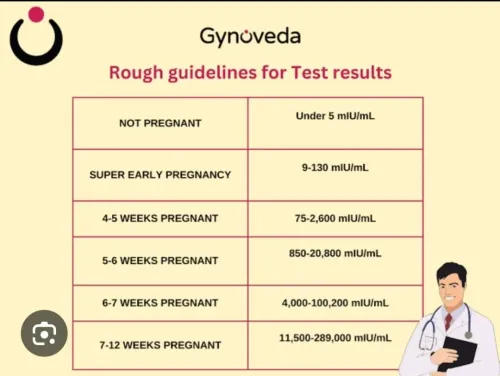
Blood tests (hCG levels)
Avoid inserting anything into the vagina (tampons, sex) until evaluated
Rest may be advised depending on the situation
Key takeaway
First trimester bleeding doesn’t always mean something is wrong—but it should always be checked to rule out serious causes.
Keywords