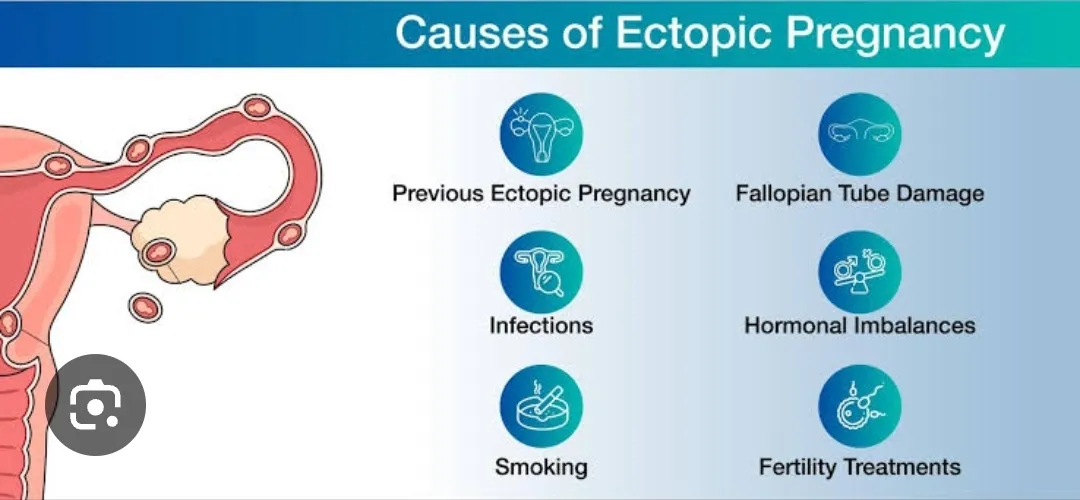
A tubal pregnancy, also known as an ectopic pregnancy, occurs when a fertilized egg implants and begins to grow outside the uterus, most commonly in one of the fallopian tubes. The fallopian tubes are not designed to hold a growing embryo, so this type of pregnancy cannot proceed normally and poses serious health risks if not treated promptly.
Causes of Tubal Pregnancy
Several factors can increase the risk of a tubal pregnancy, including:
Previous ectopic pregnancy
Pelvic inflammatory disease (PID)
Endometriosis
Tubal surgery or scarring
Fertility treatments (like IVF)
Smoking
Use of intrauterine devices (IUDs) (rarely)
Symptoms of Tubal Pregnancy
Sharp or stabbing pain in the abdomen, pelvis, or shoulder
Vaginal bleeding or spotting
Dizziness, weakness, or fainting (signs of internal bleeding)
Nausea and breast tenderness, similar to normal pregnancy
Complications
A tubal pregnancy can be life-threatening if not treated. Main complications include:
1. Tubal Rupture
As the embryo grows, it can cause the fallopian tube to burst.
This leads to internal bleeding, severe abdominal pain, and shock.
It is a medical emergency requiring immediate surgery.
2. Hemorrhage
Heavy internal bleeding from a ruptured tube can lead to hypovolemic shock, where the body cannot maintain adequate blood pressure.
Can be fatal if not treated promptly.
3. Infertility
Damage to the fallopian tube may reduce the ability to conceive in the future.
Increased risk of recurrent ectopic pregnancies.
Diagnosis
Transvaginal ultrasound
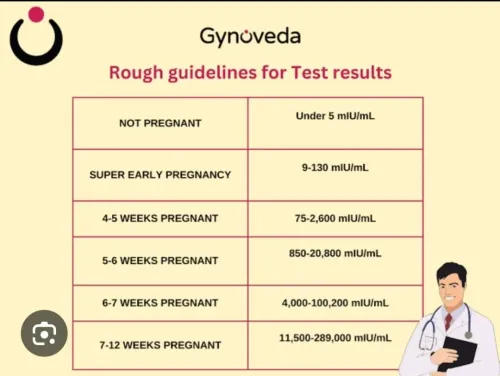
Blood tests to measure hCG (human chorionic gonadotropin) levels
Pelvic exam
Treatment
Medication (Methotrexate): Stops cell growth and dissolves existing tissue; used when there's no rupture.
Surgery (Laparoscopy or Laparotomy): Removes the ectopic pregnancy and sometimes the affected tube.
Keywords