
Leg cramps are very common during pregnancy, especially in the second and third trimesters. They often happen at night and can be sudden and painful.
Why leg cramps happen during pregnancy
1. Mineral imbalances
Low calcium, magnesium, or potassium can affect muscle function
Increased demand from the growing baby can reduce maternal levels
2. Dehydration
Not drinking enough fluids can lead to electrolyte imbalance and muscle cramping
3. Poor blood circulation
The enlarging uterus puts pressure on blood vessels, slowing circulation to the legs
4. Weight gain & muscle fatigue
Extra weight increases strain on leg muscles, especially the calves
5. Hormonal changes
Pregnancy hormones relax muscles and ligaments, making them more prone to spasms
6. Prolonged sitting or standing
Staying in one position too long reduces blood flow to the legs
7. Compression of nerves
The uterus may press on nerves supplying the legs
What helps prevent or reduce leg cramps
Stretch calf muscles before bed
Stay well hydrated
Gentle exercise (walking, prenatal yoga)
Massage or warm compress on the calves
Avoid pointing toes downward while sleeping
Wear comfortable, supportive footwear
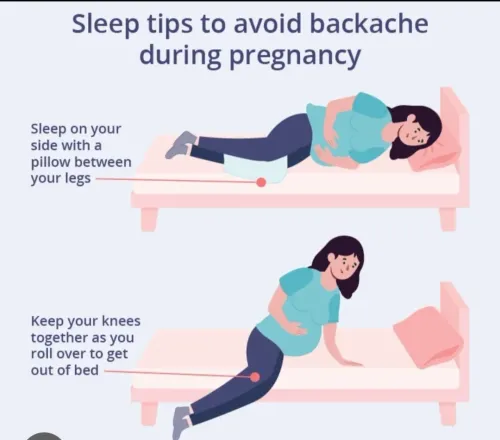
Sleep on your left side to improve circulation
Adequate calcium and magnesium intake (through diet or supplements if prescribed)
When to see a doctor urgently
Seek medical advice if:
Cramps are severe, persistent, or worsening
One leg is swollen, red, or warm (could indicate a blood clot)
You have sudden shortness of breath or chest pain
Keywords