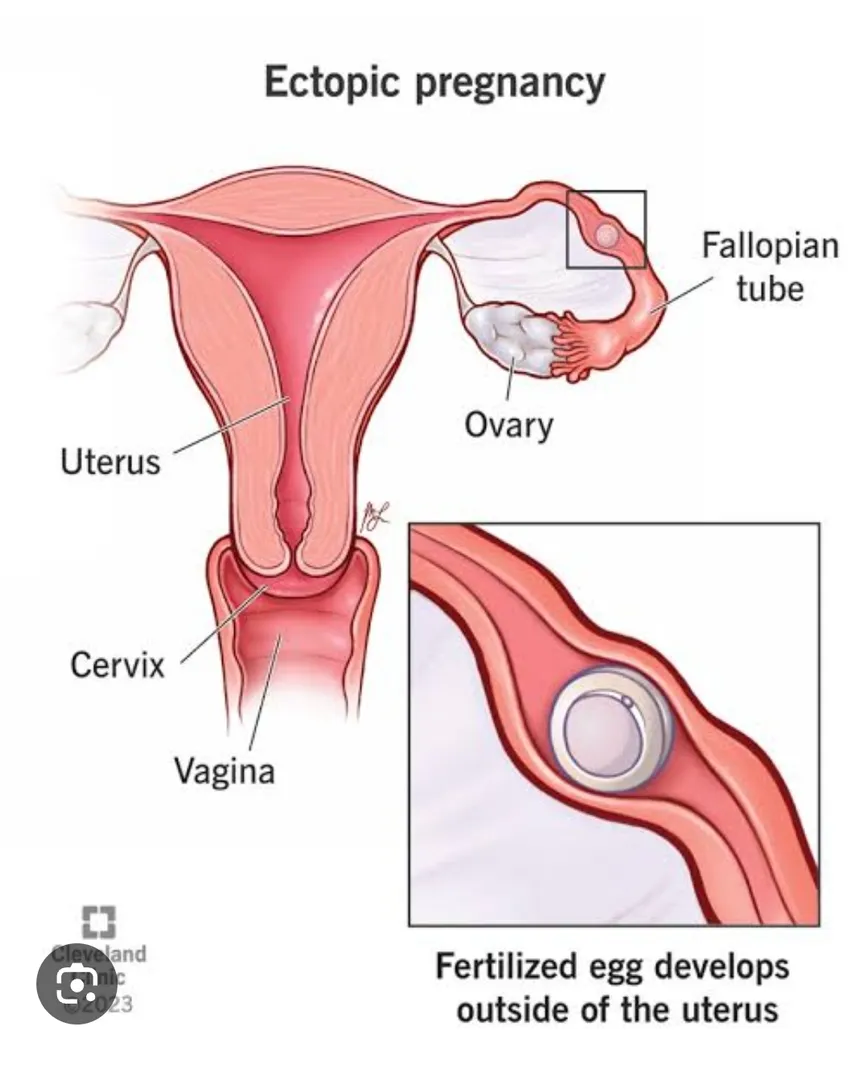
An ectopic pregnancy occurs when a fertilized egg implants and grows outside the main cavity of the uterus. The most common site for an ectopic pregnancy is in one of the fallopian tubes (called a tubal pregnancy), but it can also occur in other areas, such as the ovary, abdominal cavity, or the cervix.
Key Characteristics:
Non-viable Pregnancy: The fertilized egg cannot survive outside the uterus, and the growing tissue might damage nearby organs, causing life-threatening complications.
Symptoms:
Sharp or stabbing pain in the abdomen, pelvis, or shoulder.
Vaginal bleeding or spotting.
Weakness, dizziness, or fainting (a sign of internal bleeding).
Risk Factors:
Previous ectopic pregnancy.
Pelvic inflammatory disease (PID).
Endometriosis.
Surgery on the fallopian tubes or pelvic region.
Use of fertility treatments or intrauterine devices (IUDs).
Diagnosis:
Ultrasound: A transvaginal ultrasound can usually confirm the location of the pregnancy.
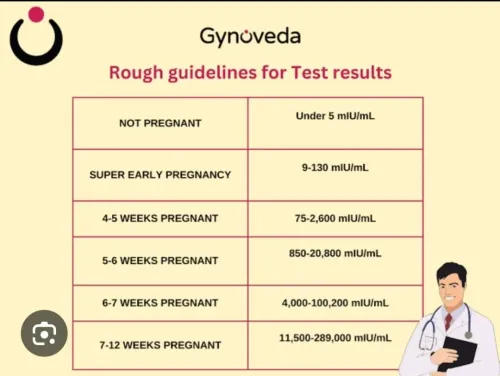
Blood Tests: Measuring human chorionic gonadotropin (hCG) levels to assess pregnancy progress.
Treatment:
Medication: Methotrexate can be used to stop the growth of the pregnancy if it is detected early.
Surgery: In more severe cases or if rupture occurs, surgery (laparoscopy or laparotomy) is required to remove the ectopic tissue and repair or remove the damaged fallopian tube.
Key Characteristics:
Non-viable Pregnancy: The fertilized egg cannot survive outside the uterus, and the growing tissue might damage nearby organs, causing life-threatening complications.
Symptoms:
Sharp or stabbing pain in the abdomen, pelvis, or shoulder.
Vaginal bleeding or spotting.
Weakness, dizziness, or fainting (a sign of internal bleeding).
Risk Factors:
Previous ectopic pregnancy.
Pelvic inflammatory disease (PID).
Endometriosis.
Surgery on the fallopian tubes or pelvic region.
Use of fertility treatments or intrauterine devices (IUDs).
Diagnosis:
Ultrasound: A transvaginal ultrasound can usually confirm the location of the pregnancy.
Blood Tests: Measuring human chorionic gonadotropin (hCG) levels to assess pregnancy progress.
Treatment:
Medication: Methotrexate can be used to stop the growth of the pregnancy if it is detected early.
Surgery: In more severe cases or if rupture occurs, surgery (laparoscopy or laparotomy) is required to remove the ectopic tissue and repair or remove the damaged fallopian tube.
Keywords