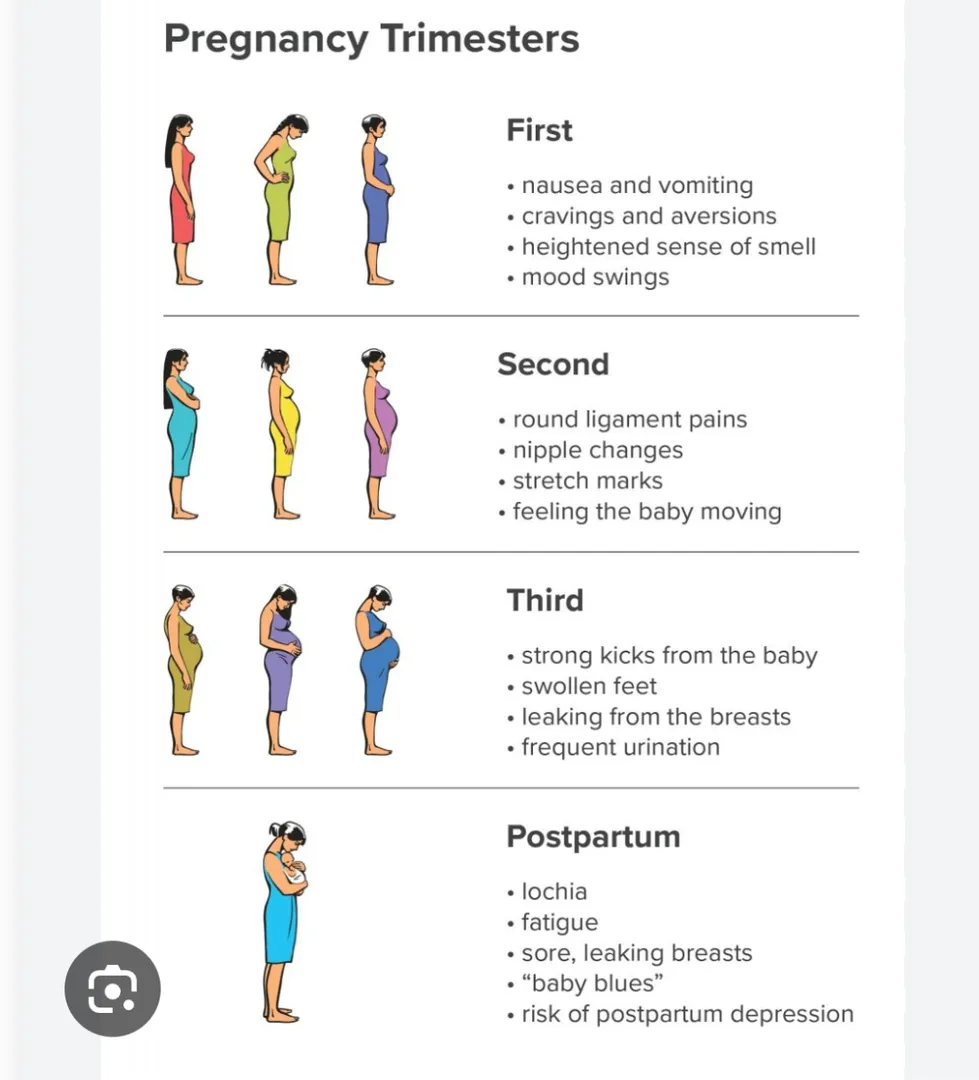
During the first three months of pregnancy (the first trimester, weeks 1–12), a woman’s body undergoes many physical, hormonal, and emotional changes to support the growing embryo. Here’s an overview of the main changes:
🌱 1. Hormonal Changes
Increase in hCG (human chorionic gonadotropin):
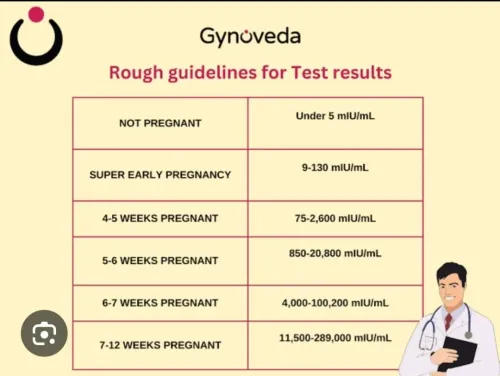
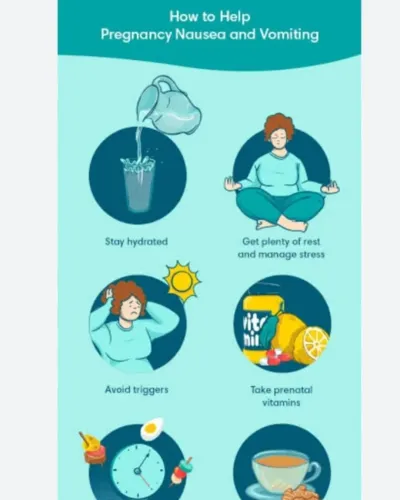
This hormone maintains the corpus luteum and is responsible for positive pregnancy tests. It can also cause nausea and vomiting (“morning sickness”).
Increase in estrogen and progesterone:
Estrogen promotes uterine growth and blood flow.
Progesterone relaxes smooth muscles, helping the uterus expand but also causing constipation and heartburn.
Increased production of relaxin:
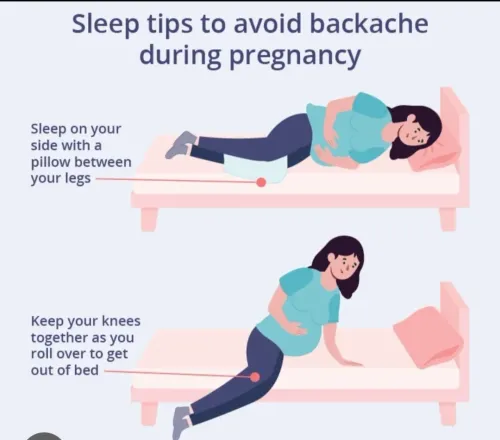
Helps loosen ligaments and joints in preparation for childbirth.
🩸 2. Physical and Body System Changes
Reproductive System
Uterus enlarges from the size of a pear to about the size of a grapefruit by 12 weeks.
Cervix softens (Goodell’s sign) and becomes bluish (Chadwick’s sign).
Vaginal discharge increases due to more blood flow.
Breasts
Become tender, fuller, and heavier.
Areola darkens, and small glands (Montgomery’s tubercles) become more prominent.
Colostrum (early milk) may begin to form.
Cardiovascular System
Blood volume and heart rate increase to supply the developing embryo.
Some women may experience fatigue, dizziness, or faintness.
Digestive System
Morning sickness (nausea/vomiting) is common.
Constipation and bloating due to progesterone.
Food cravings or aversions may appear.
Urinary System
Frequent urination because of hormonal changes and pressure on the bladder.
Skin Changes
Increased pigmentation: darkening of the nipples, linea nigra, or slight facial pigmentation (chloasma or “mask of pregnancy”).
🧠 3. Emotional and Psychological Changes
Mood swings, irritability, or anxiety due to hormonal changes.
Excitement and worry about pregnancy and motherhood.
Some may experience fatigue or emotional sensitivity.
👶 4. Fetal Development (Summary)
Weeks 1–4: Fertilization, implantation, formation of the placenta.
Weeks 5–8: Major organs begin forming; heartbeat detectable by 6–7 weeks.
Weeks 9–12: Fetus starts moving, facial features form, external genitalia begin to differentiate.
Keywords