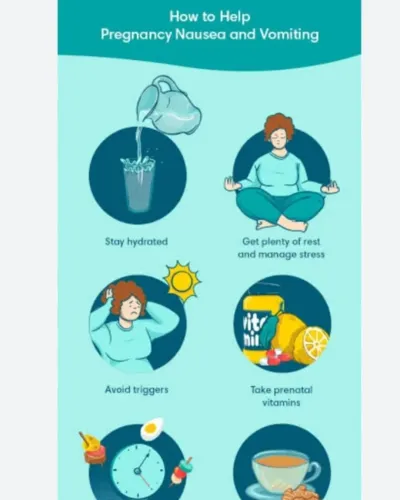

Nausea and vomiting in pregnancy (NVP)—often called “morning sickness”—is very common, especially in the first trimester. Here are the main reasons:
1. Hormonal Changes
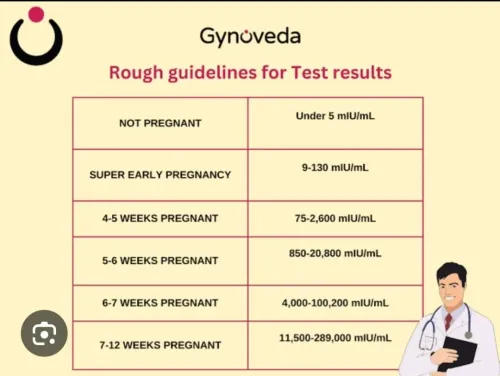
hCG (human chorionic gonadotropin)
Levels rise rapidly in early pregnancy.
Higher hCG levels are strongly associated with nausea (e.g., in twins or molar pregnancy).
Estrogen
Increases during early pregnancy and can slow stomach emptying.
May heighten sense of smell, triggering nausea.
Progesterone
Relaxes smooth muscles, including the gastrointestinal tract.
Slows gastric emptying and causes bloating → nausea.
2. Enhanced Sense of Smell & Taste
Pregnancy heightens sensitivity to odors, making certain smells (food, perfume, smoke) trigger nausea.
3. Gastrointestinal Sensitivity
Slowed gut motility and gastric emptying.
Acid reflux due to relaxation of the lower esophageal sphincter.
4. Evolutionary/Protective Theory
Some scientists believe nausea protects the fetus by preventing the mother from ingesting harmful foods during organ formation.
5. Stress and Fatigue
Tiredness, emotional stress, or lack of sleep can worsen nausea.
6. Vitamin or Mineral Imbalances
Low levels of vitamin B6 may contribute.
7. Low Blood Sugar
In early pregnancy, metabolism changes and can lead to symptoms when glucose levels drop.
8. Helicobacter pylori Infection
Some evidence links this stomach bacterium to more severe nausea/vomiting.
9. Serious Conditions (Less Common)
These need medical attention:
⚠️ Hyperemesis gravidarum
Severe, persistent vomiting
Weight loss, dehydration
Electrolyte imbalance
⚠️ Multiple Pregnancy
Higher hormone levels → more nausea.
⚠️ Molar Pregnancy
Abnormally high hCG levels.
Keywords