
Monitoring baby (fetal) movements is a simple and important way to check on your baby’s well-being during pregnancy.
Why monitoring baby movements is important
Baby movements are a sign that your baby is getting enough oxygen and nutrients. Paying attention to them can help:
Reassure you that your baby is doing well
Detect early warning signs if something may be wrong
Reduce the risk of complications, because changes in movement can signal a problem that needs medical attention
A decrease or sudden change in movements can sometimes be linked to issues like reduced oxygen or placental problems, which is why it’s taken seriously.
When baby movements usually start
First-time pregnancies: around 18–22 weeks
If you’ve been pregnant before: sometimes as early as 16–18 weeks
At first, movements may feel like flutters or bubbles. They become stronger and more regular as the pregnancy progresses.
How to monitor baby movements (Kick Count Method)
Doctors often recommend monitoring movements from 28 weeks onward.
Step-by-step:
Choose a time when your baby is usually active (often after meals or in the evening).
Sit or lie on your side in a quiet place.
Count movements (kicks, rolls, flutters, swishes).
You should feel at least 10 movements within 2 hours
– Many babies move 10 times much faster than that.
✔️ Any movement counts, not just strong kicks.
What is normal?
Every baby has their own movement pattern
Movements may feel different as the baby grows (more rolls than sharp kicks)
Regular daily movement is normal, even if it’s not constant
When to contact a doctor or midwife immediately
Contact a healthcare provider right away if:
You feel much less movement than usual
You feel no movement during a time when your baby is normally active
You’re worried or unsure — it’s always okay to get checked
Do not wait until the next day if movements seem reduced.
Helpful tips
Drink some water or eat a light snack before counting
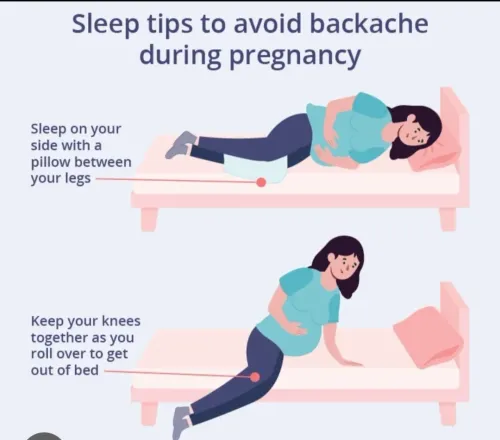
Lie on your left side to improve blood flow
Avoid comparing your baby’s movements to someone else’s — patterns differ
Keywords