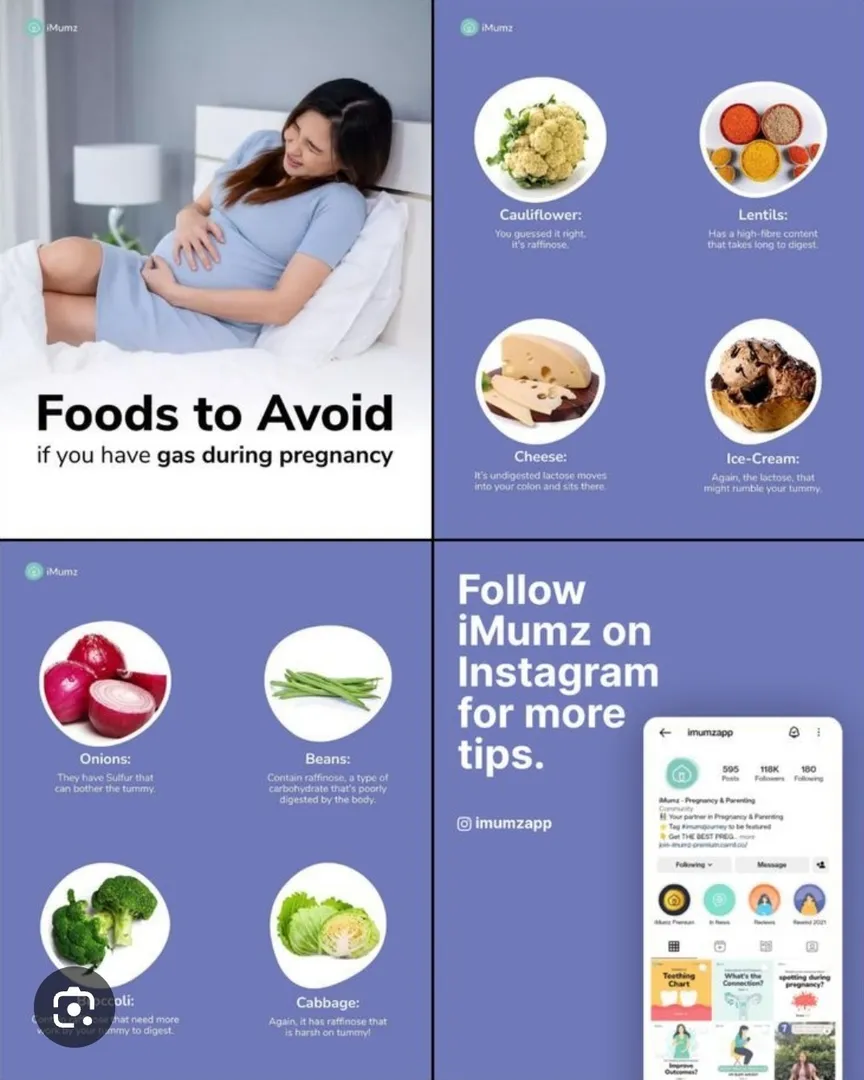
Gas and bloating are very common during pregnancy, and they are closely related to both hormonal changes and the foods a pregnant person eats.
Here’s a breakdown of how gas during pregnancy is connected to food and physiological changes:
🧬 Why Gas Increases During Pregnancy
Hormonal Changes
Progesterone, a key hormone during pregnancy, relaxes smooth muscles, including those in the digestive tract.
This slows down digestion, which can cause food to ferment more in the gut — leading to increased gas, bloating, and even constipation.
Growing Uterus
As the uterus expands, it puts pressure on the intestines and stomach, which can make digestion slower and gas build-up more noticeable.
🍽️ Food-Related Causes of Gas During Pregnancy
Certain foods naturally produce more gas during digestion, especially as your system slows down.
⛔ Foods that commonly cause gas:
Beans and lentils
Cruciferous vegetables: broccoli, cabbage, cauliflower, Brussels sprouts
Whole grains (especially if introduced suddenly)
Onions and garlic
Carbonated drinks: soda, sparkling water
Dairy products (if lactose intolerant)
High-fat or fried foods
Artificial sweeteners, especially sorbitol and mannitol
✅ Foods that may help:
Yogurt with probiotics (can improve gut health)
Cooked vegetables (easier to digest than raw)
Hydrating foods (like cucumber, melon)
Ginger or peppermint tea (can reduce bloating and soothe the stomach)
🧘♀️ Tips to Reduce Gas During Pregnancy
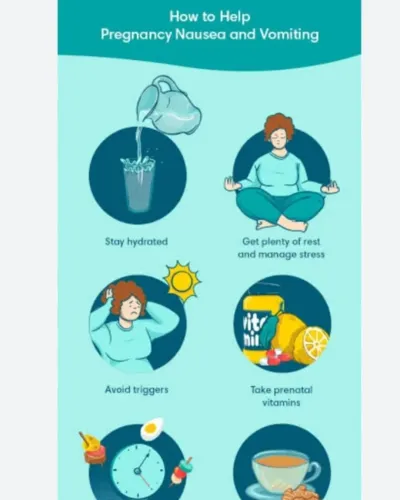
Eat smaller, more frequent meals
Prevents overloading the digestive system.
Chew thoroughly and eat slowly
Reduces swallowed air and improves digestion.
Avoid talking while chewing
Helps prevent swallowing air.
Stay active
Gentle movement (like walking or prenatal yoga) helps move gas through the system.
Identify personal food triggers
Keep a food diary to spot which foods cause more bloating or gas.
⚠️ When to Talk to a Doctor
If gas is accompanied by severe pain, vomiting, or constipation lasting more than a few days, it’s worth checking in with your OB-GYN.
Excessive burping, bloating, or discomfort could also be signs of food intolerances or reflux, which are common in pregnancy.
Keywords