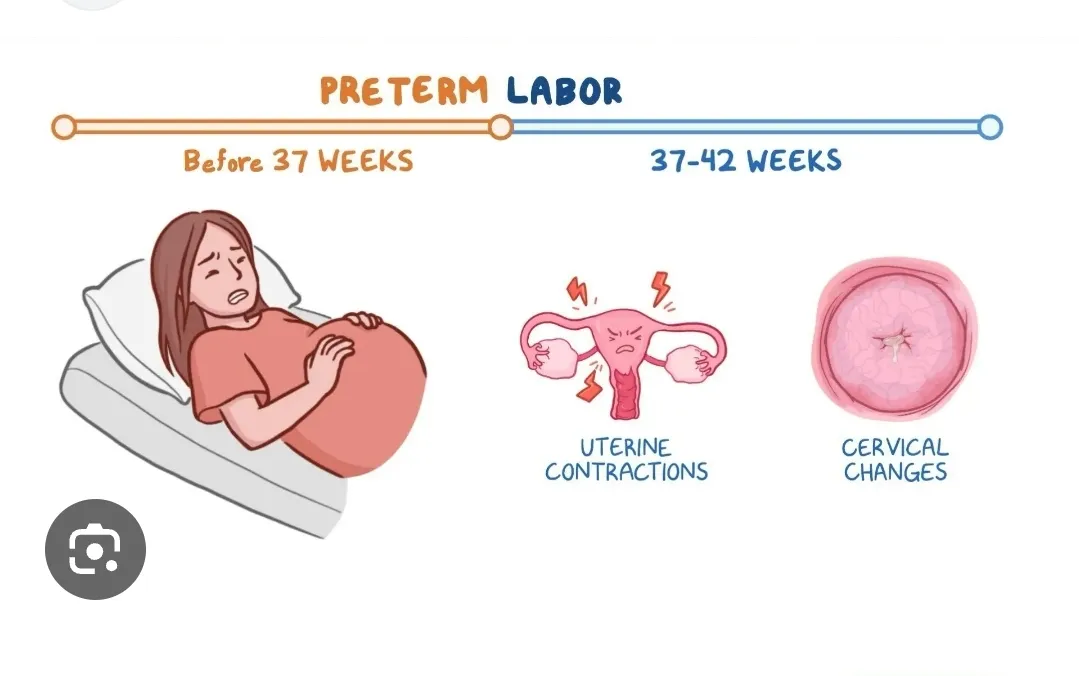
Preterm delivery (also called premature birth) happens when a baby is born before 37 weeks of pregnancy are completed. A full-term pregnancy is about 40 weeks.
Preterm birth can lead to health challenges for the baby, especially the earlier they are born.
🕐 Types of Preterm Birth
Type Gestational Age
Late preterm 34 to 37 weeks
Moderate preterm 32 to 34 weeks
Very preterm 28 to 32 weeks
Extremely preterm 28 weeks
⚠️ Causes and Risk Factors
Often, the exact cause isn't known, but common risk factors include:
🩺 Medical
High blood pressure (e.g., preeclampsia)
Infections (e.g., UTIs, STIs)
Gestational diabetes
Problems with the placenta (e.g., placenta previa or abruption)
🤰 Pregnancy-related
Multiple pregnancies (twins, triplets, etc.)
Previous preterm birth
Short time between pregnancies (6 months)
Uterine or cervical abnormalities
🌍 Lifestyle and Environmental
Smoking, alcohol, or drug use
Stress, domestic violence
Poor nutrition
Lack of prenatal care
🧒 Risks for the Baby
The earlier the birth, the higher the risk of complications:
System Affected Possible Issues
Lungs Breathing problems (e.g., Respiratory Distress Syndrome)
Brain Bleeding, developmental delays, cerebral palsy
Heart Patent ductus arteriosus (PDA), low blood pressure
Digestive Feeding issues, necrotizing enterocolitis (NEC)
Immune Higher risk of infections
Vision & Hearing Risk of long-term impairment
🏥 Care for Preterm Babies (NICU)
Many preterm babies require care in the Neonatal Intensive Care Unit (NICU), where they may receive:
Oxygen or ventilator support
IV nutrition or feeding tubes
Temperature control in incubators
Monitoring for infections or complications
🚼 Long-term Outlook
Late preterm babies may need only short-term support and often do well
Very or extremely preterm babies may face long-term challenges but outcomes have improved significantly with modern neonatal care
Early intervention (physical therapy, speech therapy, etc.) helps improve development
🛡️ Prevention and Management
If a mother is at risk of preterm labor, doctors may:
Prescribe bed rest or reduce physical activity
Use medications to:
Delay labor (tocolytics)
Speed up fetal lung development (corticosteroids)
Protect baby’s brain (magnesium sulfate)
Monitor cervical length and infections
Recommend progesterone shots in future pregnancies
✅ Summary
Key Point Details
Preterm birth Before 37 weeks gestation
Causes Multiple, including infections, twins, medical conditions
Risks Breathing, feeding, developmental, and immune issues
Treatment NICU care, early intervention
Prevention Prenatal care, lifestyle, medications if at risk
Keywords