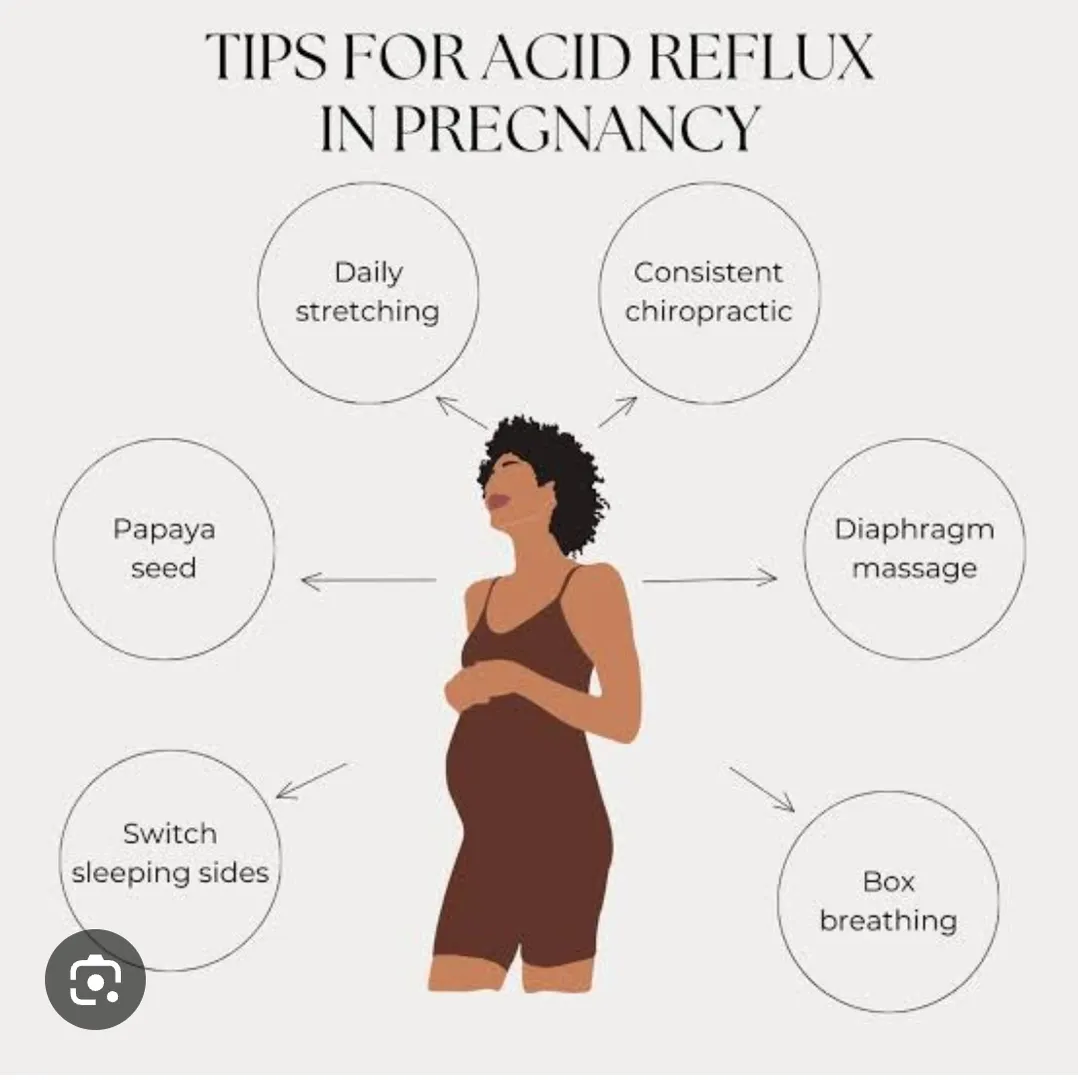
Acid reflux (also called heartburn or GERD) is very common during pregnancy, especially in the second and third trimesters. It can be uncomfortable, but it's usually not dangerous and can be managed with lifestyle changes and safe treatments.
🤰 Why Acid Reflux Happens in Pregnancy
There are two main reasons:
Hormones (mainly progesterone):
Progesterone relaxes the muscles, including the lower esophageal sphincter (LES), which normally keeps stomach acid from coming up into the esophagus.
Pressure from the growing uterus:
As your baby grows, the uterus pushes up on the stomach, which can force acid up into the esophagus.
🔥 Common Symptoms
A burning feeling in the chest (heartburn)
Sour or bitter taste in the mouth
Regurgitation of food or liquid
Feeling of fullness, bloating, or gas
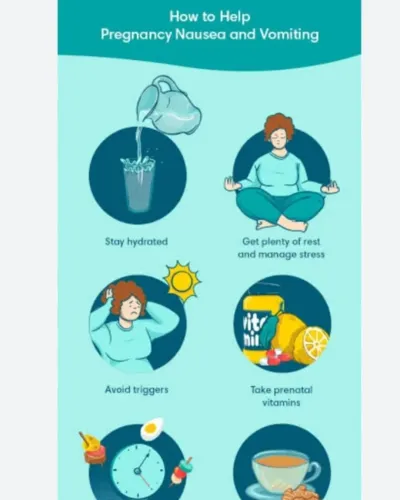
Nausea (sometimes)
🩺 Safe Treatments During Pregnancy
✅ Lifestyle and Diet Changes
Eat small, frequent meals
Avoid lying down right after eating (wait 2–3 hours)
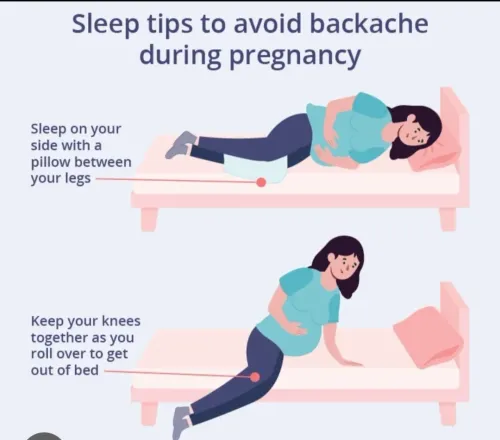
Elevate your head while sleeping (use extra pillows or a wedge)
Avoid trigger foods, such as:
Spicy, greasy, or fatty foods
Caffeine
Chocolate
Citrus
Tomatoes
Carbonated drinks
✅ Safe Medications (Talk to Your OB First!)
Antacids (like Tums, Rolaids): Generally considered safe
H2 blockers (e.g., famotidine/Pepcid): Often used if antacids don’t help
Proton pump inhibitors (PPIs): Sometimes prescribed in severe cases
⚠️ Avoid antacids with high aluminum or sodium bicarbonate content unless directed by your doctor.
Keywords