
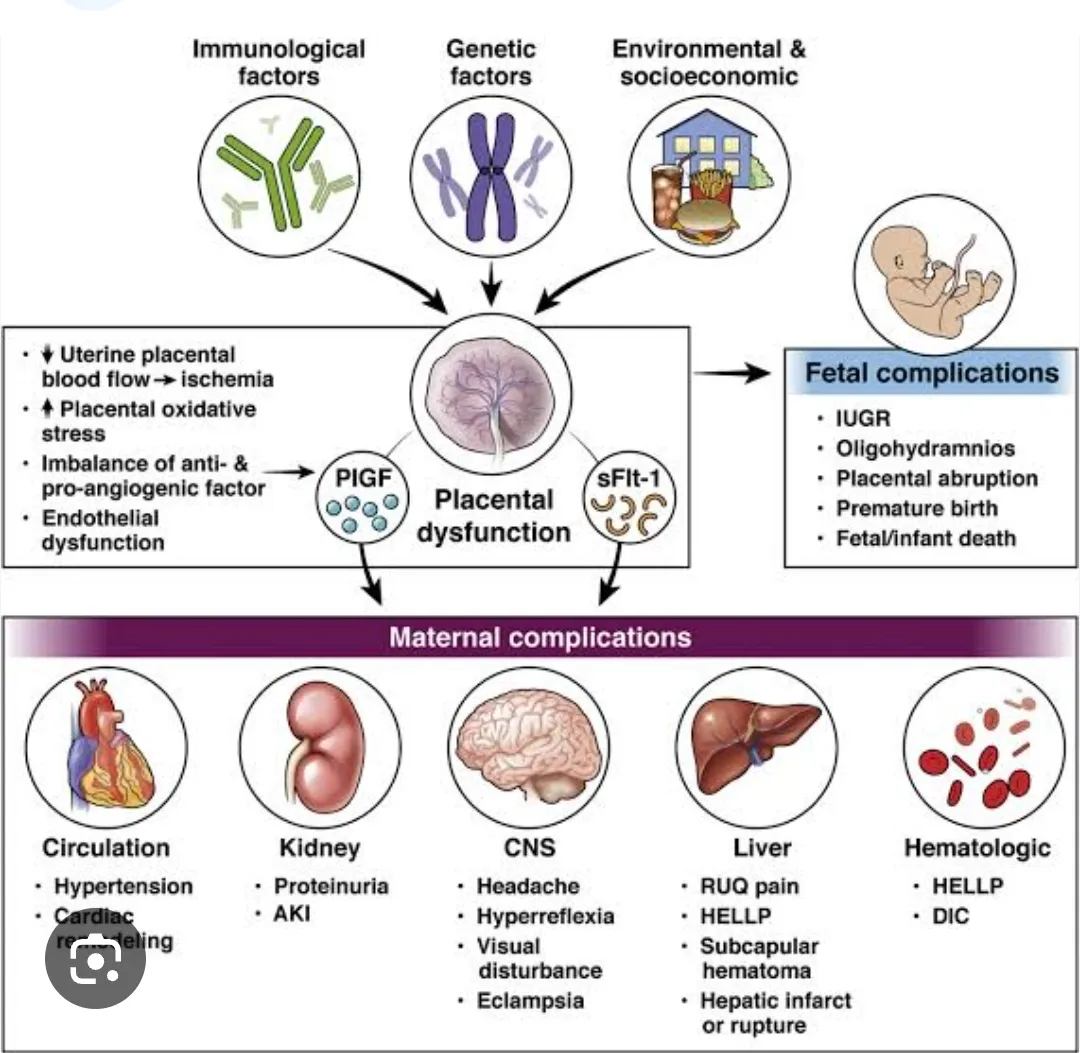
Liver function tests (LFTs) are important in pregnancy because they help identify and monitor both pre-existing liver conditions and pregnancy-specific liver diseases that can significantly affect maternal and fetal health. Here’s a detailed overview of why LFTs are important during pregnancy:
🩺 Importance of Liver Function Tests in Pregnancy
1. Baseline Assessment
LFTs can establish baseline liver health, especially in women with risk factors such as:
A history of liver disease
Obesity
Diabetes
Pre-existing conditions like hepatitis or autoimmune diseases
2. Detection of Pregnancy-Specific Liver Disorders
Some liver disorders are unique to pregnancy and can be dangerous if undiagnosed:
a) Intrahepatic Cholestasis of Pregnancy (ICP)
Occurs typically in the third trimester.
LFTs show elevated bile acids and liver enzymes (e.g., ALT, AST).
Associated with increased risk of stillbirth and preterm labor.
b) HELLP Syndrome
A severe form of preeclampsia: Hemolysis, Elevated Liver enzymes, Low Platelets
Presents with abdominal pain, nausea, and high blood pressure.
Requires immediate delivery to prevent maternal and fetal complications.
c) Acute Fatty Liver of Pregnancy (AFLP)
Rare but life-threatening condition, usually in the third trimester.
LFTs show elevated liver enzymes, low glucose, and coagulopathy.
Urgent delivery is often necessary.
3. Monitoring Pre-existing Liver Conditions
Women with chronic liver diseases (e.g., hepatitis B/C, cirrhosis, autoimmune hepatitis) require careful monitoring:
To assess liver function throughout pregnancy.
To adjust medications that may affect liver enzymes.
To prepare for potential complications during delivery.
4. Differentiating Between Conditions
Some pregnancy symptoms (like nausea, vomiting, abdominal pain) overlap with liver disease symptoms.
LFTs help differentiate between:
Normal pregnancy discomforts
Hyperemesis gravidarum
Liver pathology
📊 What Do LFTs Include?
LFTs typically measure:
ALT (alanine aminotransferase) and AST (aspartate aminotransferase) – indicate liver cell injury.
ALP (alkaline phosphatase) – naturally elevated in pregnancy (from placenta), but very high levels can signal pathology.
Bilirubin – high levels may indicate liver dysfunction or hemolysis.
Albumin – often decreased in pregnancy, but very low levels could indicate liver dysfunction.
GGT – helps in identifying cholestasis or biliary obstruction.
✅ Summary
LFTs in pregnancy are essential to:
Detect and manage pregnancy-specific liver disorders early.
Monitor pre-existing liver conditions.
Prevent serious complications for both mother and baby.
Guide decisions on timing and mode of delivery when liver dysfunction is present
Keywords