Importance of Blood Markers in Pregnancy
Blood markers are crucial indicators of both maternal and fetal health during pregnancy. They help in the early detection, monitoring, and management of potential complications, ensuring the best possible outcomes for both mother and baby.
🧪 Why Blood Markers Matter in Pregnancy
Screen for Maternal Health Issues
Detect anemia, infections, blood type incompatibilities, and chronic diseases.
Monitor Fetal Development
Some markers give insight into the baby’s growth and risk of congenital abnormalities.
Identify High-Risk Pregnancies
Help guide early interventions in preeclampsia, gestational diabetes, and more.
🔍 Key Blood Markers and Their Significance
Marker/Test What It Checks Why It's Important
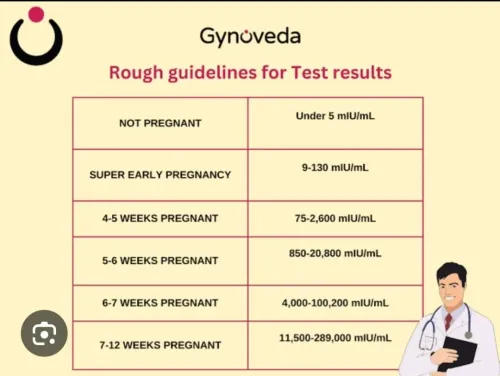
hCG (Human Chorionic Gonadotropin) Confirms pregnancy, monitors viability Abnormally high/low levels may indicate ectopic pregnancy or miscarriage risk
Progesterone Hormone needed for pregnancy maintenance Low levels can suggest risk of miscarriage
Blood Type & Rh Factor ABO and Rh(D) grouping Prevents Rh incompatibility complications (e.g., hemolytic disease of the newborn)
Complete Blood Count (CBC) Red/white cells, hemoglobin, platelets Detects anemia, infections, clotting issues
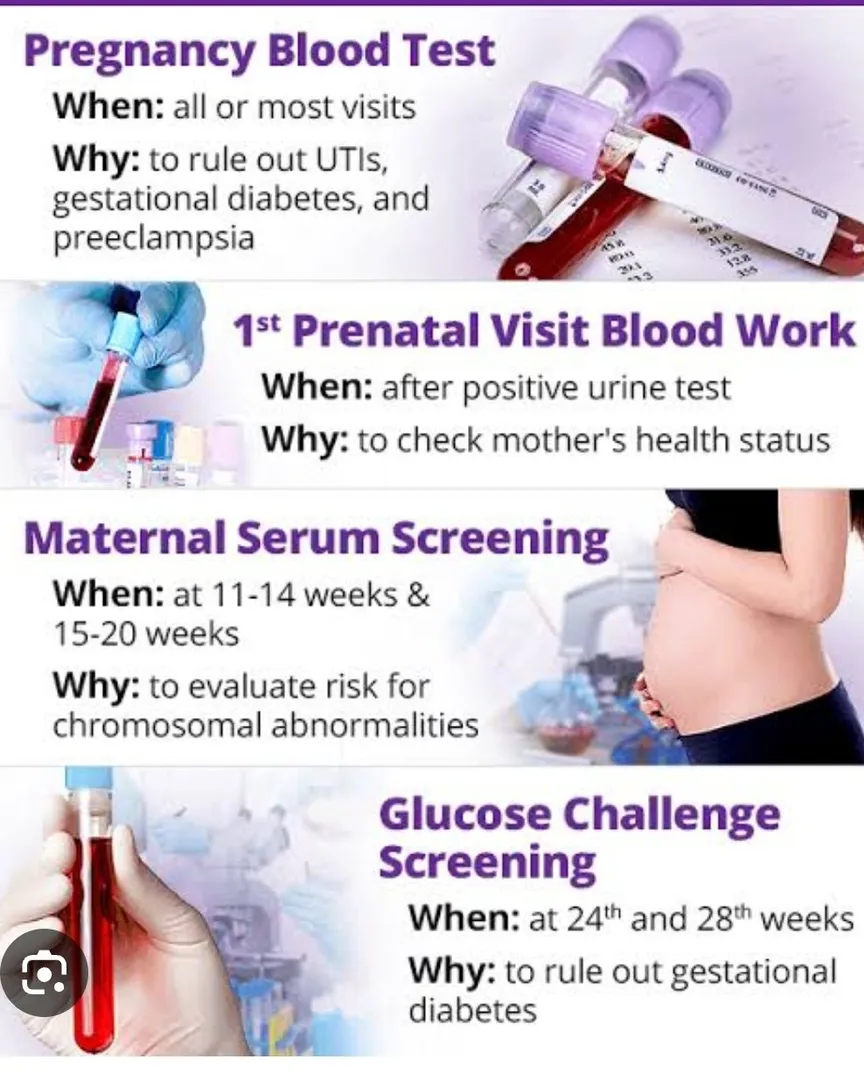
Blood Glucose Fasting or post-glucose load Screens for gestational diabetes
Thyroid Function (TSH, FT4) Hormonal balance Hypo/hyperthyroidism can affect fetal brain development
TORCH Screen Toxoplasmosis, Rubella, CMV, Herpes Detects infections that can harm the fetus
AFP (Alpha-Fetoprotein) Fetal protein levels in maternal blood Screens for neural tube defects and Down syndrome
PAPP-A (Pregnancy-Associated Plasma Protein A) Placental function Low levels linked to chromosomal abnormalities
Inhibin A, Estriol, hCG (Quad Screen) Combined screening for fetal abnormalities Risk assessment for conditions like trisomy 21 (Down syndrome)
👶 When Are These Markers Tested?
First Trimester (Weeks 0–13): hCG, PAPP-A, progesterone, early infection screening
Second Trimester (Weeks 14–26): AFP, quad screen, glucose testing
Third Trimester (Weeks 27–40): Continued glucose monitoring, CBC, antibody screening (if Rh-negative)
🚨 Clinical Uses
Risk Stratification: Identifies pregnancies that need closer monitoring or referral to specialists.
Timing Interventions: Some blood markers guide when to deliver or treat (e.g., preeclampsia).
Preventive Care: Helps initiate preventive treatments like Rh immunoglobulin or insulin therapy.
✅ Conclusion
Blood markers are essential tools in prenatal care. They provide a non-invasive way to assess maternal and fetal well-being, guide decision-making, and prevent complications. Regular testing as recommended by healthcare providers is key to a healthy pregnancy.
Keywords