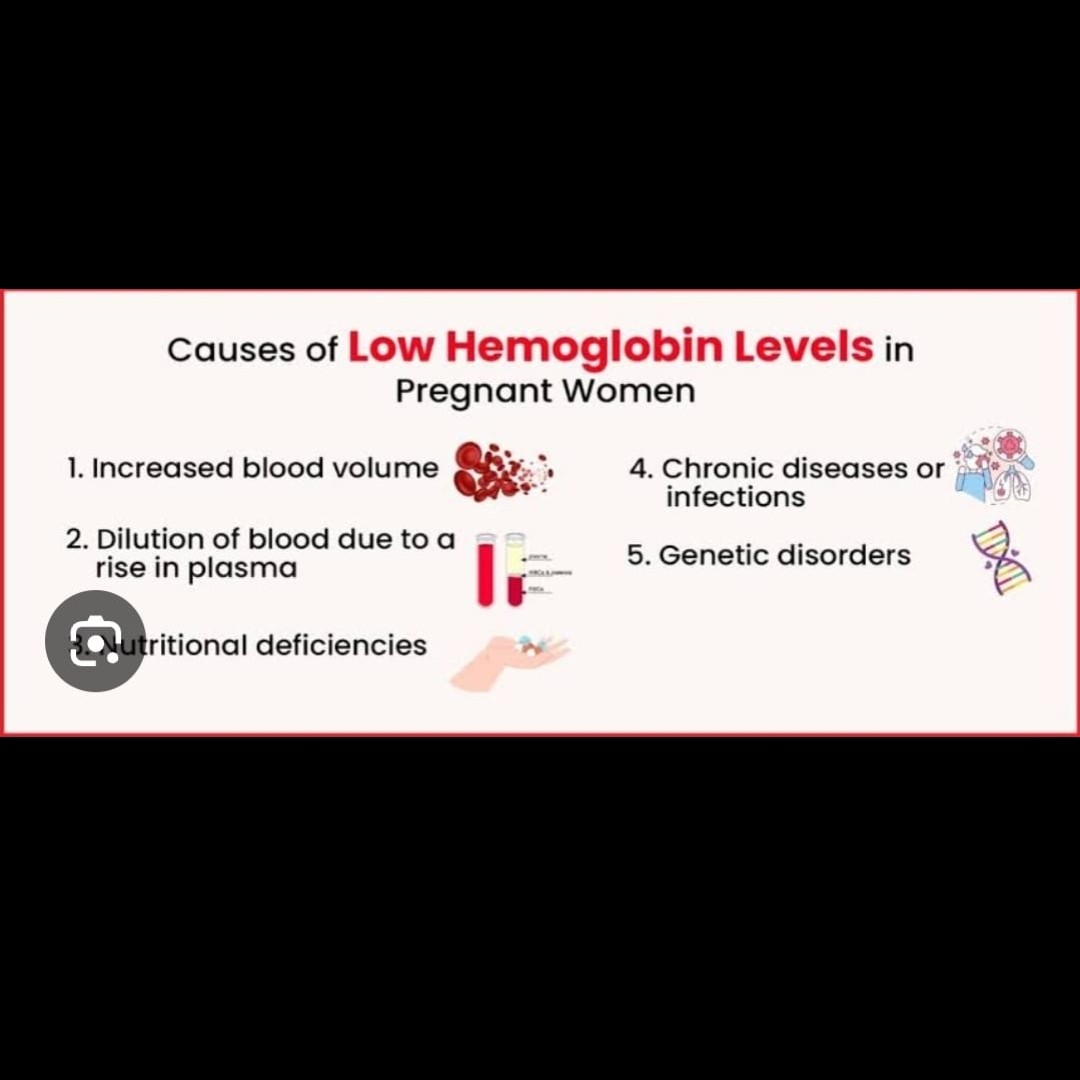
Low hemoglobin during pregnancy, also known as anemia, can be a significant health concern for both the mother and the baby. Here are some reasons why maintaining healthy hemoglobin levels is crucial during pregnancy:
Oxygen Delivery: Hemoglobin is responsible for carrying oxygen throughout the body. Low hemoglobin means the body is less able to supply oxygen to tissues, including the uterus and placenta, which can affect fetal growth and development.
Increased Risk of Preterm Birth: Anemia is associated with an increased risk of preterm birth, which can lead to complications for the baby, such as low birth weight and respiratory issues.
Increased Risk of Postpartum Complications: Low hemoglobin can lead to excessive bleeding during labor and delivery, increasing the risk of postpartum hemorrhage and the need for blood transfusions.
Fatigue and Weakness: Anemia can cause significant fatigue and weakness in the mother, making it more difficult to carry out daily activities and care for herself during pregnancy.
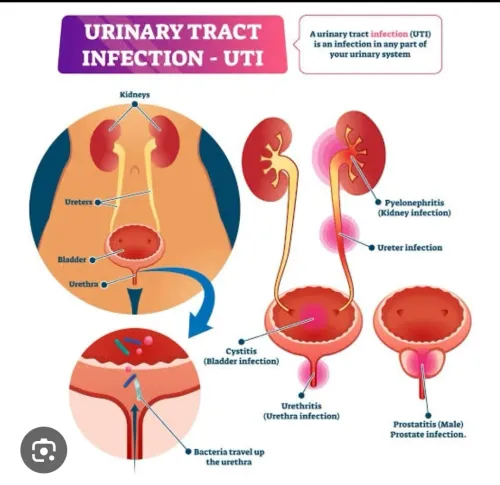
Reduced Immune Function: Low hemoglobin can weaken the immune system, making the pregnant individual more susceptible to infections, which can further complicate the pregnancy.
Cognitive and Developmental Risks for the Baby: Severe anemia in pregnancy has been linked to developmental delays and lower cognitive function in the child later in life.
Keywords