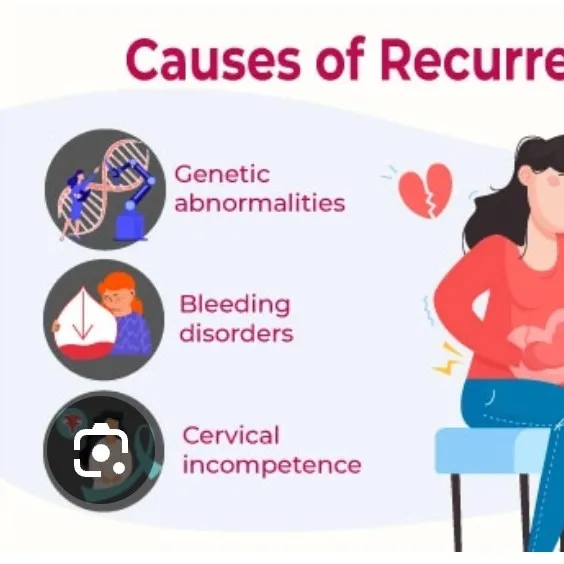
What counts as recurrent pregnancy loss?
Most doctors define it as 2 or more consecutive miscarriages (some still use 3). Evaluation is usually recommended after the second loss.
Common causes of recurrent pregnancy loss
1. Genetic (chromosomal) causes — most common
One parent may carry a balanced chromosomal rearrangement
The embryo may have random chromosomal abnormalities
Evaluation
Karyotyping of both parents
Genetic testing of miscarriage tissue (if available)
Treatment
Genetic counseling
IVF with preimplantation genetic testing (PGT) in selected cases
Many couples still conceive naturally with good outcomes
2. Uterine (anatomical) problems
Examples:
Uterine septum
Fibroids (especially submucosal)
Adhesions (Asherman syndrome)
Congenital uterine abnormalities
Evaluation
Ultrasound
Hysteroscopy
MRI (sometimes)
Treatment
Surgical correction (often hysteroscopic)
Very good success rates after treatment
3. Hormonal & metabolic causes
Thyroid disease (hypothyroidism or hyperthyroidism)
Uncontrolled diabetes
Luteal phase defect (low progesterone)
Polycystic ovary syndrome (PCOS)
Evaluation
Thyroid function tests
Blood sugar testing
Progesterone levels (controversial but sometimes checked)
Treatment
Thyroid medication if abnormal
Blood sugar control
Progesterone support in early pregnancy (commonly used)
4. Immune & clotting disorders
Antiphospholipid syndrome (APS) is the most proven immune cause
Evaluation
Anticardiolipin antibodies
Lupus anticoagulant
Anti–β2 glycoprotein I
Treatment
Low-dose aspirin
Heparin during pregnancy
(This dramatically improves outcomes in APS)
⚠️ Other “immune causes” are controversial; many treatments lack strong evidence.
5. Infections
Chronic endometritis (sometimes)
TORCH infections are rarely a cause of recurrent loss
Treatment
Targeted antibiotics if diagnosed
6. Lifestyle & environmental factors
Smoking
Alcohol
Obesity or being underweight
Excess caffeine
High stress (indirectly)
Treatment
Lifestyle optimization
Weight management
Prenatal vitamins with folic acid
7. Unexplained RPL (30–50%)
This is frustrating, but important to know:
➡️ Even without a clear cause, future live birth rates are still 60–80%
Supportive care alone often makes a huge difference.
General management approach
Detailed history + investigations
Treat identifiable causes
Early pregnancy monitoring
Emotional support and counseling (this really matters)
When to see a specialist
After 2 miscarriages
If losses occur after seeing a heartbeat
If there’s a history of clotting disorders or autoimmune disease
A reproductive endocrinologist or maternal-fetal medicine specialist is ideal.
Keywords