
Body pain and sciatica during pregnancy are common, especially in the second and third trimesters, due to physical and hormonal changes. Here's an overview of the causes, symptoms, and management strategies:
🔍 Causes of Body Pain and Sciatica in Pregnancy
1. Hormonal Changes
Relaxin hormone increases to loosen ligaments and joints, especially in the pelvis, which can cause instability and pain.
Ligament laxity can also stress the lower back and hips.
2. Weight Gain and Postural Changes
The growing uterus shifts your center of gravity, putting strain on your lower back and muscles.
Extra weight increases pressure on joints and the sciatic nerve.
3. Sciatica
Occurs when the sciatic nerve is compressed or irritated, often by the growing uterus or due to a herniated disc.
The nerve runs from the lower back down the legs.
⚠️ Symptoms
General Body Pain
Lower back pain
Pelvic pain
Hip discomfort
Upper back or shoulder tension
Sciatica-Specific Symptoms
Sharp, shooting pain in the lower back, buttocks, and legs
Numbness or tingling in the leg or foot
Pain worsens when standing, walking, or sitting for long periods
✅ Safe Management Strategies During Pregnancy
1. Physical Therapy
Gentle exercises to strengthen back, pelvic, and core muscles.
Stretches to relieve sciatic nerve pressure (e.g. pelvic tilts, cat-cow pose).
2. Prenatal Yoga
Focuses on posture, breathing, and gentle stretching.
Avoid lying flat on your back after 20 weeks.
3. Hot/Cold Compresses
Cold packs can reduce inflammation.
Warm baths or heating pads (not too hot) can ease muscle tension.
4. Maternity Support Belts
Help support your belly and reduce pressure on the lower back and pelvis.
5. Massage Therapy
Prenatal massage by a trained therapist can ease tension in the lower back and hips.
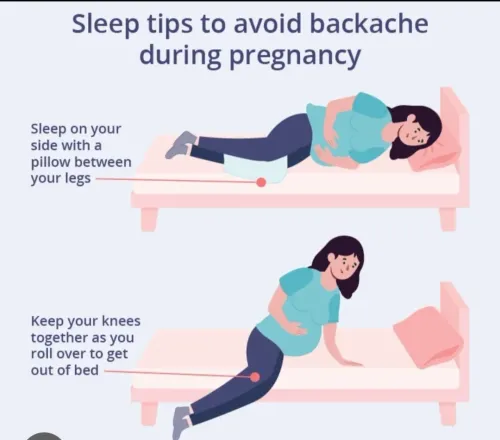
6. Sleep Support
Use a pregnancy pillow between your knees when lying on your side.
Sleep on your left side for better circulation.
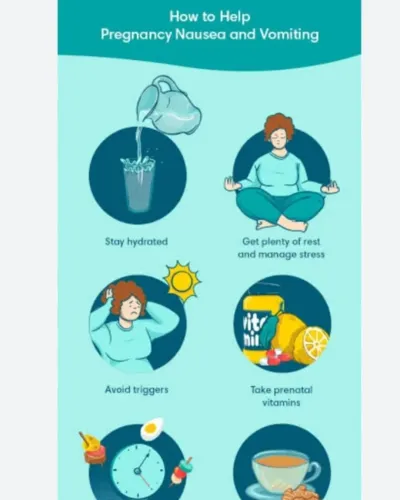
7. Hydration and Nutrition
Adequate fluids and magnesium-rich foods can help prevent muscle cramps and discomfort.
Keywords