Mood swings during pregnancy are very common and are mainly caused by a combination of hormonal changes, physical stress, fatigue, and emotional adjustments. Here's a breakdown of what causes them and how to manage them:
Causes of Mood Swings in Pregnancy:
Hormonal Fluctuations:
Estrogen and progesterone levels rise dramatically, especially in the first trimester.
These hormones affect neurotransmitters (brain chemicals that regulate mood).
Physical Discomfort:
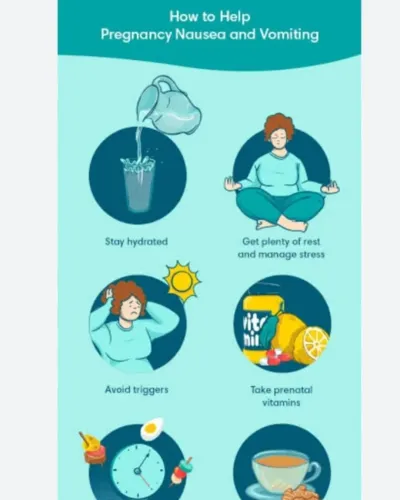
Morning sickness, fatigue, frequent urination, and body changes can cause irritability or sadness.
Emotional Stress:
Anxiety about the baby’s health, birth, parenting, body image, and lifestyle changes.
Lack of Sleep or Fatigue:
Pregnancy often disrupts sleep patterns, which can worsen mood and energy levels.
When Do Mood Swings Happen Most Often?
First Trimester: Most common due to rapid hormone changes.
Third Trimester: Can return due to discomfort and anxiety about labor and delivery.
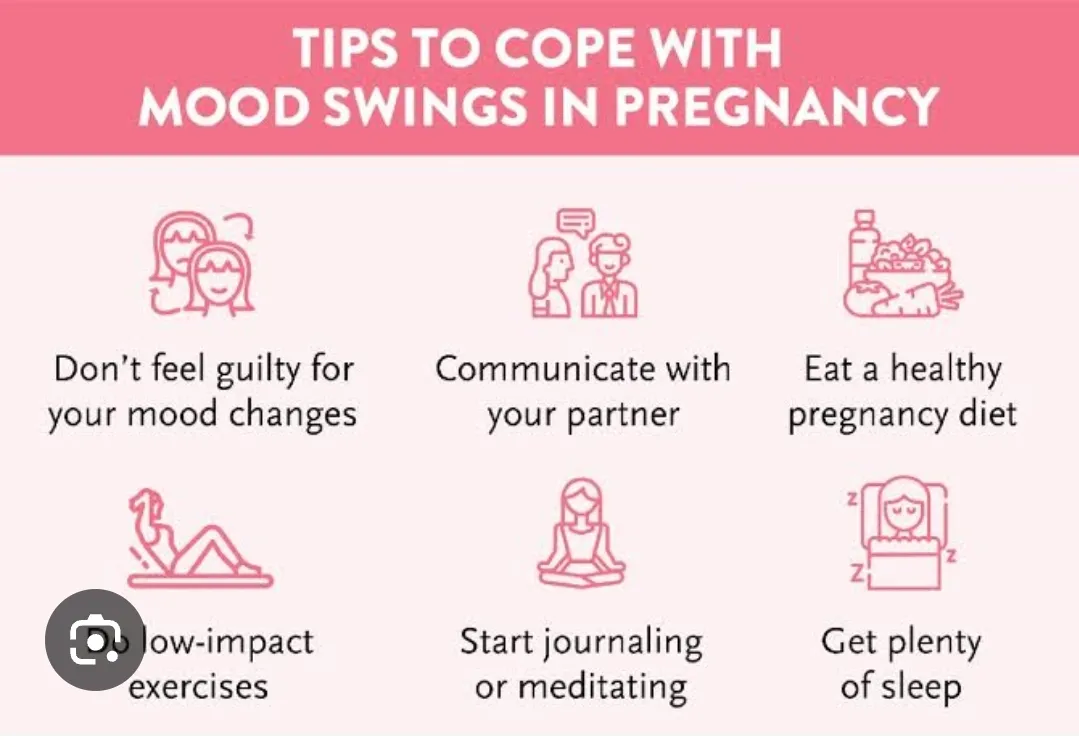
How to Cope with Mood Swings:
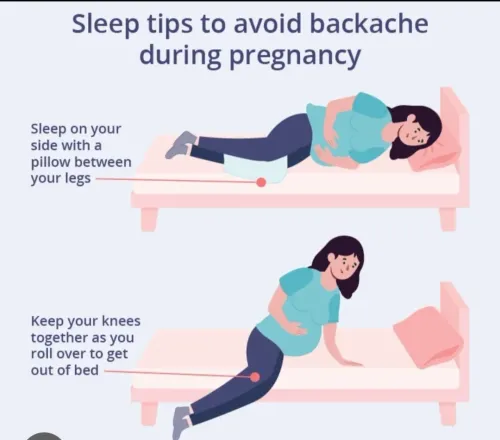
Get Enough Rest and Sleep
Eat Balanced Meals – Stable blood sugar can stabilize mood.
Exercise Regularly – Even gentle walks can boost endorphins.
Talk to Someone – Partner, friend, or therapist.
Practice Relaxation Techniques – Yoga, deep breathing, meditation.
Set Realistic Expectations – Don’t overcommit or expect perfection.
When to Seek Help:
If mood swings become intense or are accompanied by:
Persistent sadness or crying
Withdrawal from others
Thoughts of harming yourself or others
This may indicate prenatal depression, and it’s important to speak with a healthcare provider.
Let me know if you want tips tailored to a specific stage of pregnancy or emotional support resources.
Keywords