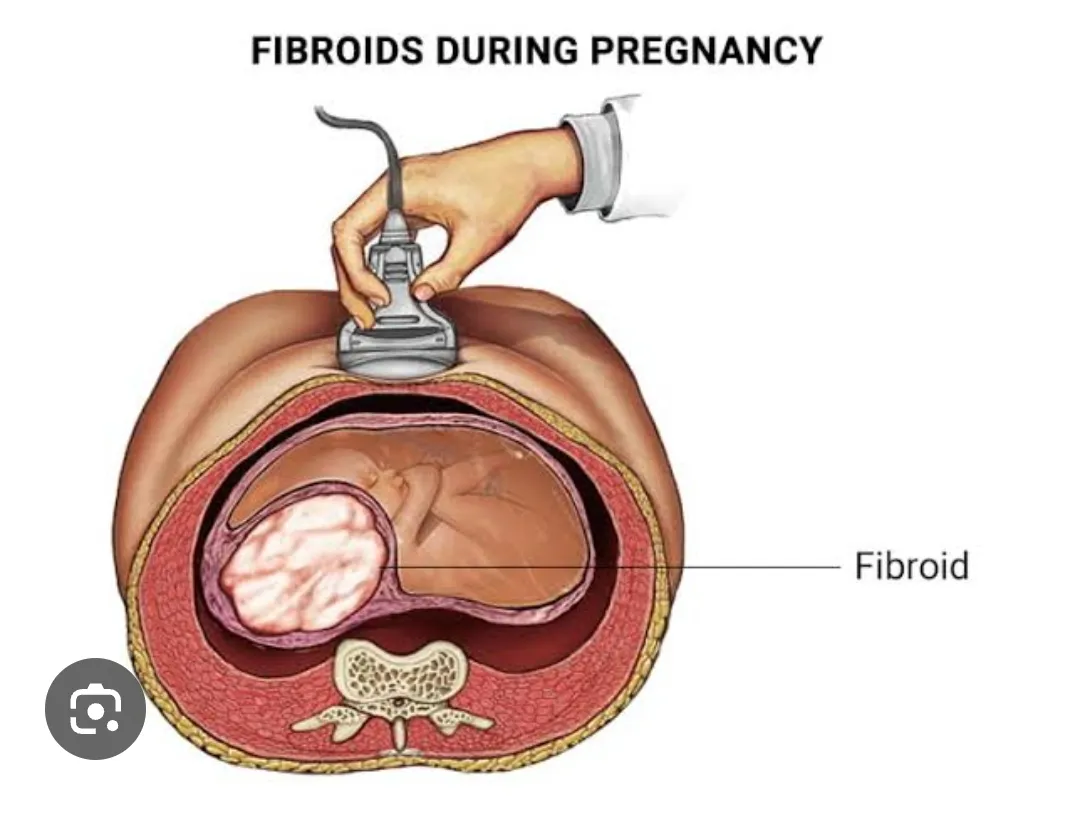
Fibroids (also called uterine leiomyomas or myomas) are benign (non-cancerous) growths of the uterus. When present during pregnancy, fibroids can lead to a range of complications for both the mother and baby, although many pregnancies proceed without serious issues.
🧬 Effects of Fibroids on the Baby
1. Restricted Fetal Growth (IUGR)
Large fibroids may reduce the space available for the baby to grow, leading to intrauterine growth restriction (IUGR).
2. Preterm Birth
Fibroids can irritate the uterus, increasing the risk of preterm labor and early delivery (before 37 weeks).
3. Abnormal Fetal Position
Fibroids can interfere with the baby’s ability to move into the correct position (head-down), increasing chances of:
Breech presentation
Transverse lie
4. Placental Abruption
A fibroid located behind the placenta may increase the risk of placental abruption (the placenta detaches early), which is dangerous for both mother and baby.
🚨 Maternal Complications During Pregnancy
1. Pain and Discomfort
Degeneration of fibroids (due to inadequate blood supply) can cause severe abdominal pain, particularly in the second trimester.
2. Bleeding
Fibroids, especially submucosal types, may cause vaginal bleeding during pregnancy.
3. Miscarriage
Increased risk of early pregnancy loss, particularly if fibroids distort the uterine cavity.
4. Preterm Labor
Uterine irritation or stretching from fibroids may trigger contractions before term.
5. Labor Complications
Obstructed labor if fibroids are near the cervix.
May increase the likelihood of needing a C-section.
🏥 Delivery and Postpartum Complications
1. Cesarean Delivery
Fibroids may block the birth canal or affect uterine contractions, leading to C-section.
2. Postpartum Hemorrhage
The uterus may not contract well after delivery due to fibroids, leading to heavy bleeding.
3. Retained Placenta
Fibroids may interfere with normal placental separation.
Keywords